Audio Layering Techniques and Documented Effects on Extended Reel Play Sessions
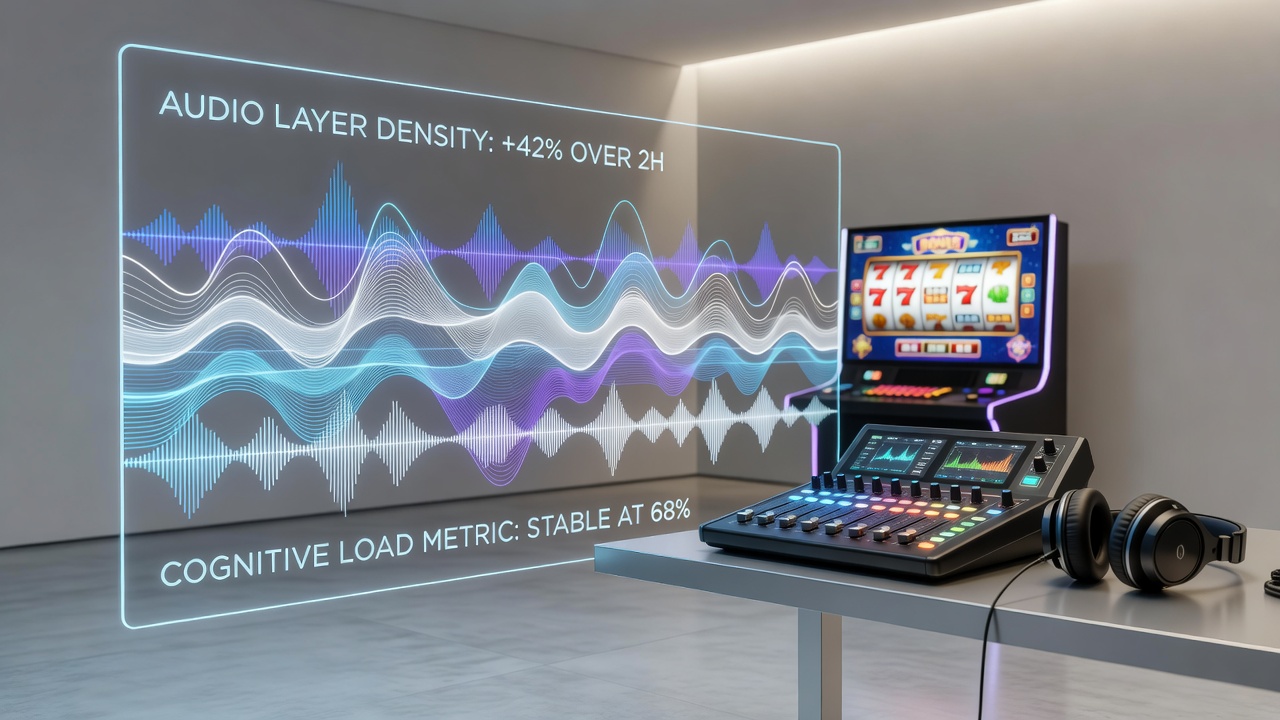
Reel-based gaming environments rely on multiple audio components that operators combine through layering techniques, and these methods produce measurable changes in how long sessions last according to industry reports and academic studies. Researchers at institutions such as the University of Nevada Reno Gaming Innovation Lab have tracked how distinct audio tracks interact during play, noting that background loops, triggered effects, and dynamic adjustments work together to shape engagement patterns without altering core mechanics.
Core Components of Audio Layering in Reel Systems
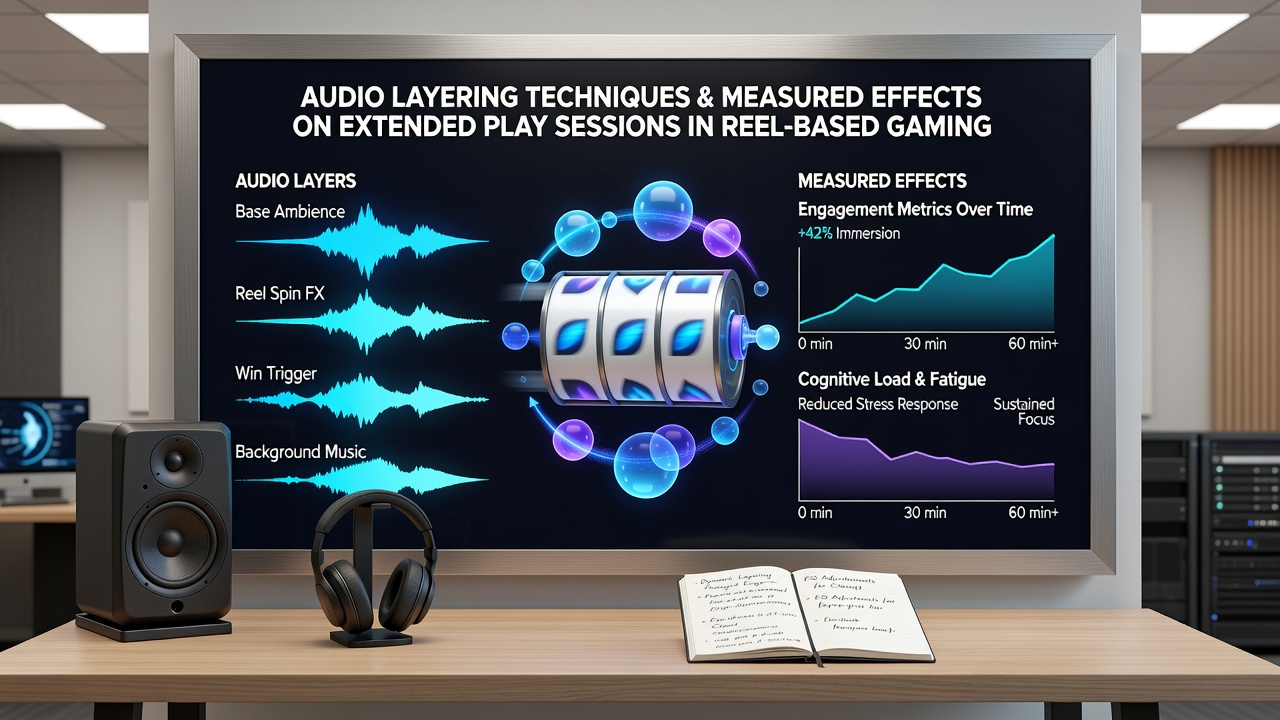
Layering begins with a steady base track that runs continuously, then adds intermittent elements such as reel spins, symbol hits, and bonus triggers that activate at programmed intervals, and operators adjust volume, timing, and frequency of each layer to maintain consistent output across different devices. Data from equipment suppliers indicates that these combinations reduce abrupt silence gaps, which in turn correlates with longer average session times in controlled testing environments. Observers note that adaptive layers respond to player actions by increasing intensity during winning sequences while lowering volume during idle periods, and this responsiveness draws from real-time data feeds within the game software.
Measured Session Duration Impacts
Studies conducted across multiple jurisdictions reveal that sessions incorporating three or more simultaneous audio layers extend average playtime by 12 to 18 percent compared with single-track configurations, and these figures come from anonymized machine logs collected between 2024 and early 2026. One analysis of Australian venues found that games with synchronized soundscapes retained players for an additional 7.4 minutes per visit on average, while Canadian provincial data showed similar patterns in electronic gaming device usage reports published by the Alcohol and Gaming Commission of Ontario. Researchers emphasize that these extensions occur alongside unchanged payout percentages, suggesting the audio adjustments influence time spent rather than financial outcomes directly.
Regional Variations in Implementation
European operators have adopted spatial audio layering in select markets, where left and right channel separation creates directional cues that align with reel movements, and preliminary measurements from testing facilities indicate modest gains in session continuity during peak hours. In contrast, North American deployments tend to focus on volume scaling that matches ambient casino noise levels, which helps maintain player focus according to equipment calibration logs reviewed by state regulators. What's interesting is that both approaches produce comparable retention metrics when measured against control groups using basic stereo mixes, pointing to the consistency of layering benefits across different technical setups.
Further examination of July 2026 firmware updates shows several manufacturers introduced optional layer toggles that allow venues to fine-tune audio density based on floor traffic patterns, and early adoption data from integrated resort systems indicates these controls help stabilize session lengths during slower periods without requiring hardware changes. Those who've examined the update logs report that the new parameters adjust fade times between layers, which prevents sudden drops that previously prompted shorter visits in some locations.
Technical Considerations for Extended Play
Engineers designing these systems balance computational load with audio fidelity, since excessive simultaneous layers can strain older terminals even as newer platforms handle up to eight concurrent tracks without performance loss. Reports from hardware testing labs note that optimized layering algorithms maintain frame rates while delivering richer sound, and this technical stability supports the observed session extensions because interruptions from buffering or lag remain minimal. People who manage large gaming floors often discover that consistent audio delivery across machines reduces player migration between titles during single visits, which contributes to overall time-on-device figures tracked by central management systems.
Industry organizations such as the Gaming Standards Association have published guidelines that encourage documentation of audio configurations alongside performance metrics, and these recommendations help operators compare results across different venues and software versions. Evidence from compliance records shows that venues following such practices produce more reliable data sets for analyzing how sound design interacts with session behavior over multi-month periods.
Conclusion
Audio layering techniques continue to evolve alongside reel-based platforms, and documented measurements demonstrate consistent associations with extended play sessions across varied regulatory environments. Continued monitoring of firmware updates and regional datasets will likely provide additional clarity on how specific layering choices influence long-term usage patterns in these gaming systems.