Film-Inspired Slot Themes: Tracking Alignments with Cinema Releases Across Decades
Drew Braun · Aug 25, 2026
Film-Inspired Slot Themes: Tracking Alignments with Cinema Releases Across Decades
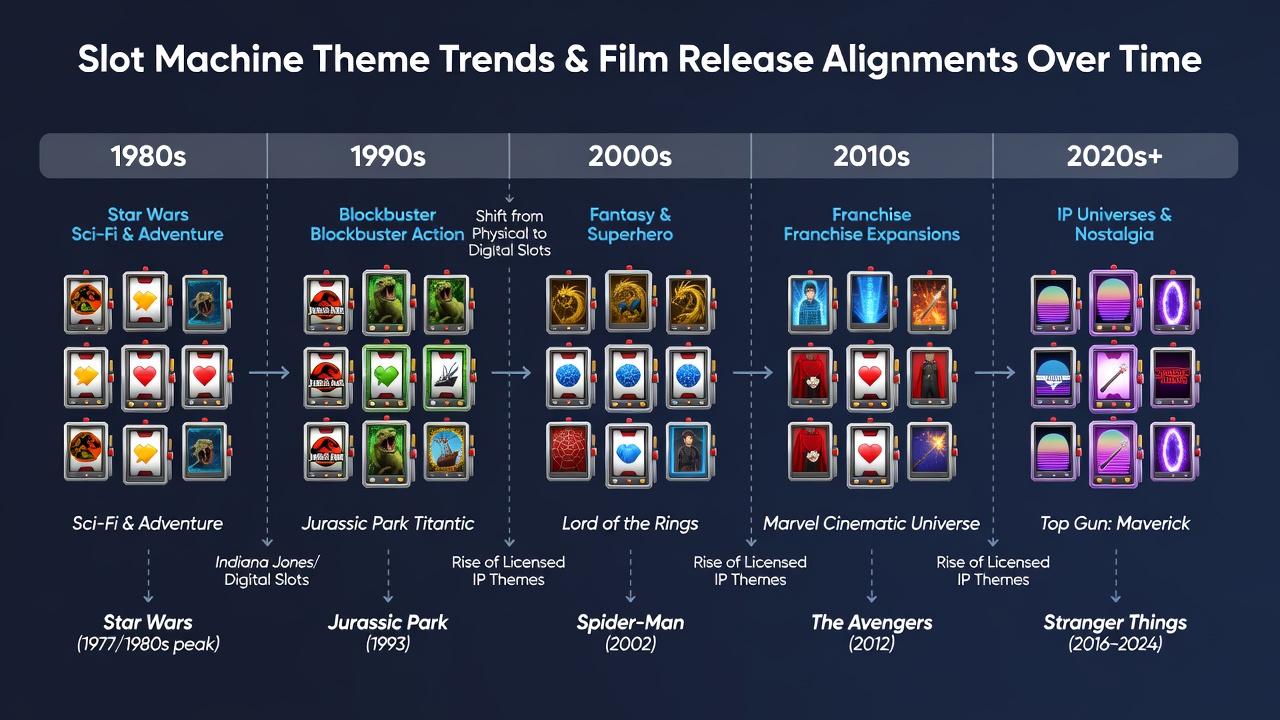
Slot machine themes have mirrored major film releases for decades, and data from regulatory filings plus industry reports confirm this pattern dates back to the early 1990s when licensed content first entered physical casino floors in Nevada and New Jersey. Studios and game developers began securing rights to popular franchises, which allowed reel symbols, bonus rounds, and soundtracks to draw directly from cinematic properties while operators tracked player engagement through revenue figures submitted to state gaming boards.
Early Alignments in the 1990s and 2000s
One notable wave occurred after the release of blockbuster science-fiction and adventure films, and manufacturers responded by producing machines that incorporated character likenesses along with narrative elements from those movies. Research from academic centers such as the University of Nevada shows licensed slots generated higher average daily win percentages compared with generic themes during that period, while figures released by the Nevada Gaming Control Board documented steady increases in machine placements tied to specific film franchises.
Studios coordinated marketing timelines with casino suppliers, and this approach produced machines featuring animated sequences pulled from the original film footage. Observers note that tie-ins often extended beyond initial theatrical runs because home video releases and television broadcasts kept audience interest alive for years afterward, which in turn sustained demand for updated cabinet versions in gaming venues.
Expansion During the 2010s with Global Franchises
During the 2010s the trend broadened as superhero and fantasy series dominated box offices worldwide, and slot developers secured multi-year licensing agreements that covered multiple film installments. Data compiled by the Canadian Gaming Association indicates a measurable uptick in progressive jackpot machines linked to these properties, and operators in provinces such as Ontario reported elevated coin-in volumes during the months surrounding each new theatrical premiere. Game mathematics remained consistent with regulatory standards, yet the visual and audio layers borrowed heavily from the source material to maintain thematic cohesion across reel sets and feature triggers.
International markets followed similar patterns, and reports from the Australian Institute of Health and Welfare highlight how gaming venues incorporated localized marketing around global film releases. This created parallel growth in both land-based and early online slot offerings, while compliance documentation submitted to state authorities tracked the addition of new titles without altering core random number generator parameters.
Current Patterns Through 2026
By August 2026 several major studios had scheduled sequels and reboots, and preliminary placement data from casino operators shows corresponding slot titles already in testing phases. Regulatory submissions in multiple jurisdictions reveal that developers continue to prioritize visual fidelity to film assets, including 3D-rendered characters and synchronized audio clips that activate during bonus sequences. Those who monitor quarterly earnings reports note that machines aligned with upcoming releases often receive prominent floor positioning in advance of opening weekends, which allows operators to capture cross-promotional traffic from theater advertising campaigns.
Cross-platform versions for mobile devices have followed the same licensing timelines, and analytics shared by research institutions demonstrate that session lengths on these apps increase when new film-related content drops. Government agencies in various regions continue to review these products under existing standards for fairness and responsible gaming messaging, which remain unchanged regardless of thematic source.
Regulatory and Market Influences
Licensing agreements require ongoing approvals from film rights holders, and this process influences release schedules for the resulting slot products. Evidence gathered by European gaming trade groups shows that jurisdictions with clear intellectual property frameworks tend to see faster deployment of film-themed machines, whereas regions with stricter content review cycles experience longer lead times between cinematic debut and casino availability. Throughout these cycles the underlying game mathematics stay independent of the visual overlay, which preserves compliance with technical standards enforced by oversight bodies.
Market research firms have documented that player demographics for film-themed slots overlap significantly with movie-going audiences, and this correlation supports continued investment from both studios and game manufacturers. Figures released through industry associations further indicate that successful alignments generate measurable lifts in overall category revenue without requiring changes to wager limits or volatility profiles.
Conclusion
Patterns of alignment between slot machine themes and major film releases have remained consistent across multiple decades, supported by licensing structures, regulatory oversight, and documented revenue data from operators worldwide. As new cinematic properties continue to appear, corresponding slot developments follow established timelines that integrate visual and audio elements while adhering to technical and legal requirements in each market.