Global Standards Reshaping Multiplier Designs in Cross-Platform Reel Systems

Regulatory frameworks around the world continue to exert direct pressure on how multiplier mechanics operate inside reel-based entertainment systems that run seamlessly across desktop, mobile, and tablet environments, and these rules often dictate everything from maximum multiplier values to mandatory testing protocols that developers must satisfy before launch. Data compiled by industry analysts shows that operators must now navigate a patchwork of requirements that vary sharply by jurisdiction yet share a common goal of ensuring transparent payout structures and verifiable randomness in every spin sequence.
Core Multiplier Mechanics Under Scrutiny
Multipliers in modern reel systems typically activate during base game spins or bonus rounds to scale winning combinations, and regulators have focused attention on the algorithms that trigger these boosts because they directly influence overall return-to-player percentages. Observers note that cross-platform compatibility adds another layer of complexity since the same multiplier logic must perform identically whether a player accesses the game via a native app or a browser-based session, and testing laboratories now routinely verify this consistency before certifying titles for release. Research indicates that discrepancies between platforms have triggered compliance failures in multiple markets, prompting developers to adopt unified code bases that lock multiplier behavior regardless of device type.
Regional Regulatory Approaches and Their Effects
The Nevada Gaming Control Board enforces strict documentation requirements for any multiplier exceeding predefined thresholds, requiring operators to submit detailed probability models that demonstrate how these features integrate with the underlying random number generator. In contrast, Australian authorities through the Northern Territory Racing Commission emphasize player disclosure, mandating that games display the theoretical frequency of multiplier activations in real time so users understand the odds attached to each potential boost. Canadian provincial regulators have introduced additional layers by demanding that multiplier values remain capped during live sessions to prevent rapid bankroll swings, a measure that has forced several international studios to create region-specific versions of their flagship titles.
European markets present yet another set of constraints, where Malta's gaming authority requires independent audits of multiplier distribution curves every six months, and those audits must cover all supported platforms simultaneously. This approach has led to standardized reporting templates that many studios now use globally, reducing the administrative burden while satisfying multiple oversight bodies at once. Figures released in early 2026 highlight that jurisdictions adopting these unified templates saw a measurable drop in certification delays, allowing titles to reach players faster without compromising compliance standards.
Cross-Platform Consistency Requirements
Ensuring multiplier behavior stays identical across devices has become a focal point for regulators because players frequently switch between platforms mid-session, and any deviation risks violating fairness statutes. Developers address this challenge by employing server-side calculation engines that determine multiplier outcomes before rendering results on the client device, thereby eliminating opportunities for platform-specific drift. Testing firms have documented cases where mobile versions initially produced slightly different multiplier frequencies due to floating-point precision variations, yet updated certification guidelines now explicitly test for such technical edge cases before approval.
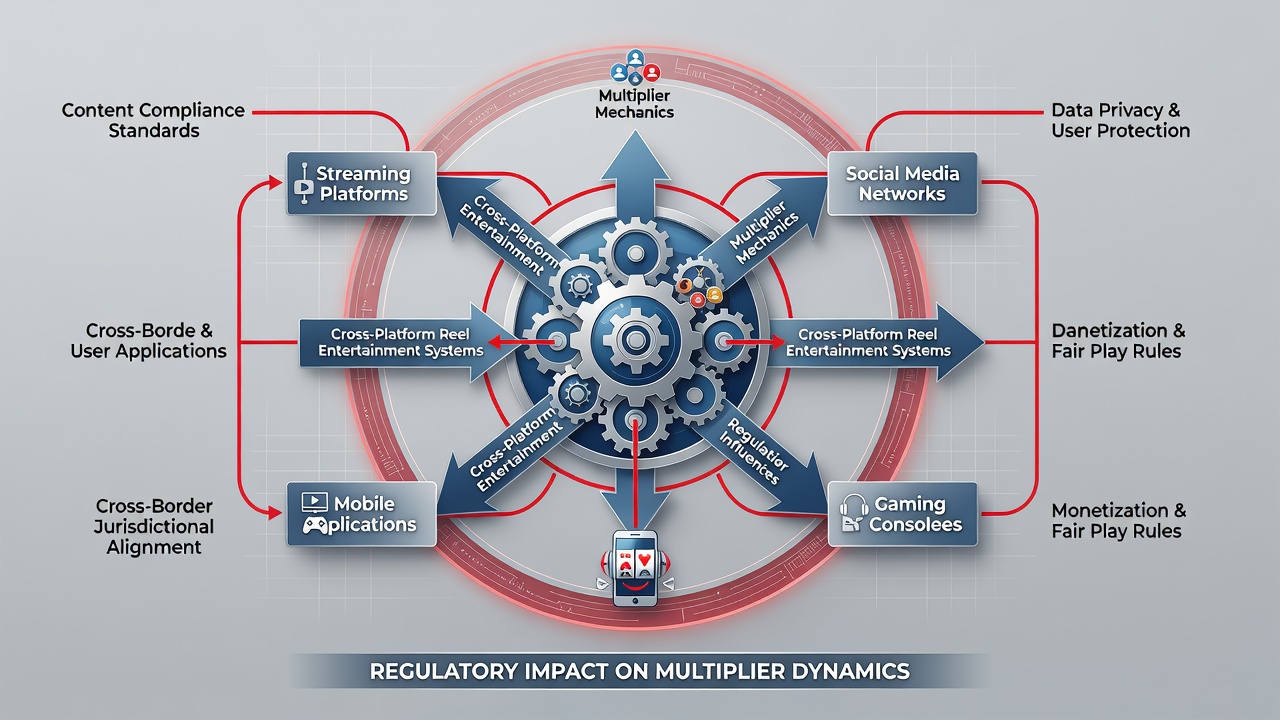
What's interesting is how these technical mandates intersect with broader responsible gaming initiatives, since regulators increasingly view uncontrolled multiplier growth as a potential contributor to extended play sessions. Several jurisdictions now require that multiplier features include optional toggles allowing players to limit maximum boost levels, a provision that must function uniformly whether the game runs on a high-end tablet or an older smartphone model. Data from certification reports indicates that titles incorporating such controls have passed regulatory review more quickly, particularly when the implementation maintains parity across all supported operating systems.
Emerging Standards Effective in Mid-2026
Beginning in June 2026, several coordinated updates across North American and European markets will require real-time logging of every multiplier activation, with data streams submitted directly to regulatory portals for ongoing monitoring. These changes build on existing RNG certification processes but add granularity by tracking multiplier contributions separately from base game outcomes, allowing authorities to identify patterns that might warrant further investigation. Studios preparing for these deadlines have already begun integrating API endpoints that transmit the required metrics without disrupting gameplay flow, and early pilot programs suggest the systems integrate smoothly with existing cross-platform architectures.
Academic studies examining similar logging requirements in other entertainment sectors suggest that transparent data collection correlates with higher player trust metrics over time, though the gambling industry continues to refine implementation details to balance oversight with operational efficiency. Industry associations have published guidance documents outlining best practices for maintaining multiplier integrity while meeting these forthcoming obligations, and many operators now reference these materials during internal compliance training sessions.
Conclusion
Regulatory influences on multiplier mechanics continue to evolve as authorities refine their approaches to cross-platform reel systems, and the resulting standards shape everything from initial game design through ongoing operational monitoring. Developers who align their architectures with these diverse requirements position themselves to secure approvals across multiple markets simultaneously, while players benefit from consistent experiences backed by verifiable fairness measures. The landscape remains dynamic, with further refinements expected as technology and oversight practices advance in tandem.