How Tiered Reward Systems Track and Enhance Player Loyalty in Networked Slot Platforms
David Ludwig · Aug 20, 2026
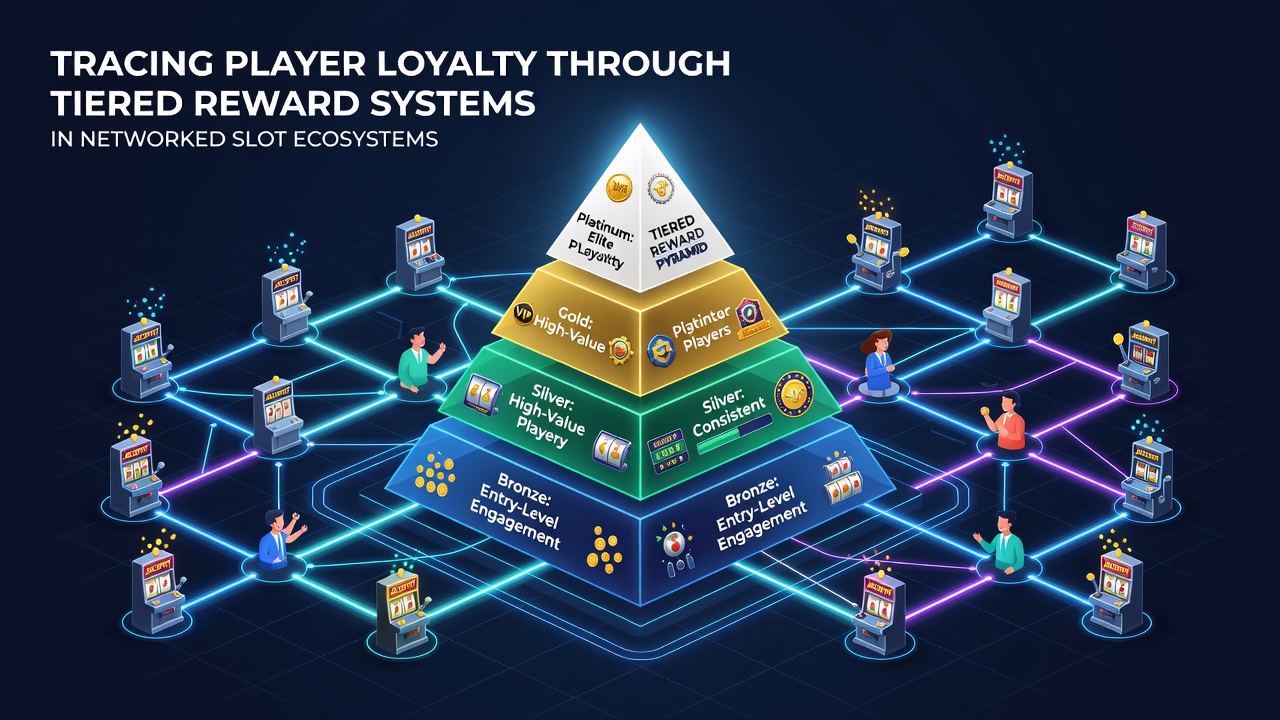
How Tiered Reward Systems Track and Enhance Player Loyalty in Networked Slot Platforms
Networked slot ecosystems rely on tiered reward systems to monitor player activity across multiple platforms and jurisdictions, and these frameworks assign points based on wager volume, session frequency, and game selection patterns. Data collection occurs in real time through centralized databases that link individual accounts to loyalty profiles, while operators use this information to adjust benefit tiers such as bronze, silver, gold, and platinum levels. Each tier unlocks escalating perks including cashback percentages, exclusive tournament access, and personalized bonus multipliers, and the system records every transaction to build longitudinal profiles of engagement.
Core Components of Tiered Structures
Tier progression typically requires cumulative points earned over defined periods, whereas reset cycles vary by operator policy and often align with calendar quarters or fiscal years. Points accrue from slot wagers at rates determined by game contribution percentages, and networked systems aggregate data from mobile apps, desktop clients, and land-based terminals when players link accounts through unified login credentials. Higher tiers grant accelerated point multipliers on future play, and this mechanic encourages sustained participation as documented in industry reports from the Nevada Gaming Control Board.
Operators integrate these systems with player segmentation algorithms that categorize users according to lifetime value metrics, and the resulting segments receive targeted communications such as tier upgrade notifications or retention offers. In August 2026 several major platforms updated their reward engines to incorporate cross-game point pooling, which allows activity in progressive jackpot titles to contribute toward general loyalty balances alongside standard reel games.
Data Tracking and Analytics Mechanisms
Centralized servers log every spin outcome, wager amount, and session duration while associating these events with unique player identifiers, and machine learning models analyze patterns to predict churn risk or upgrade eligibility. Networked environments enable seamless data sharing between affiliated casinos, which means a player who reaches a new tier on one site automatically accesses equivalent benefits on partner platforms without manual verification steps. According to figures from the American Gaming Association, such interoperability has increased average session lengths by measurable margins in multi-site ecosystems.
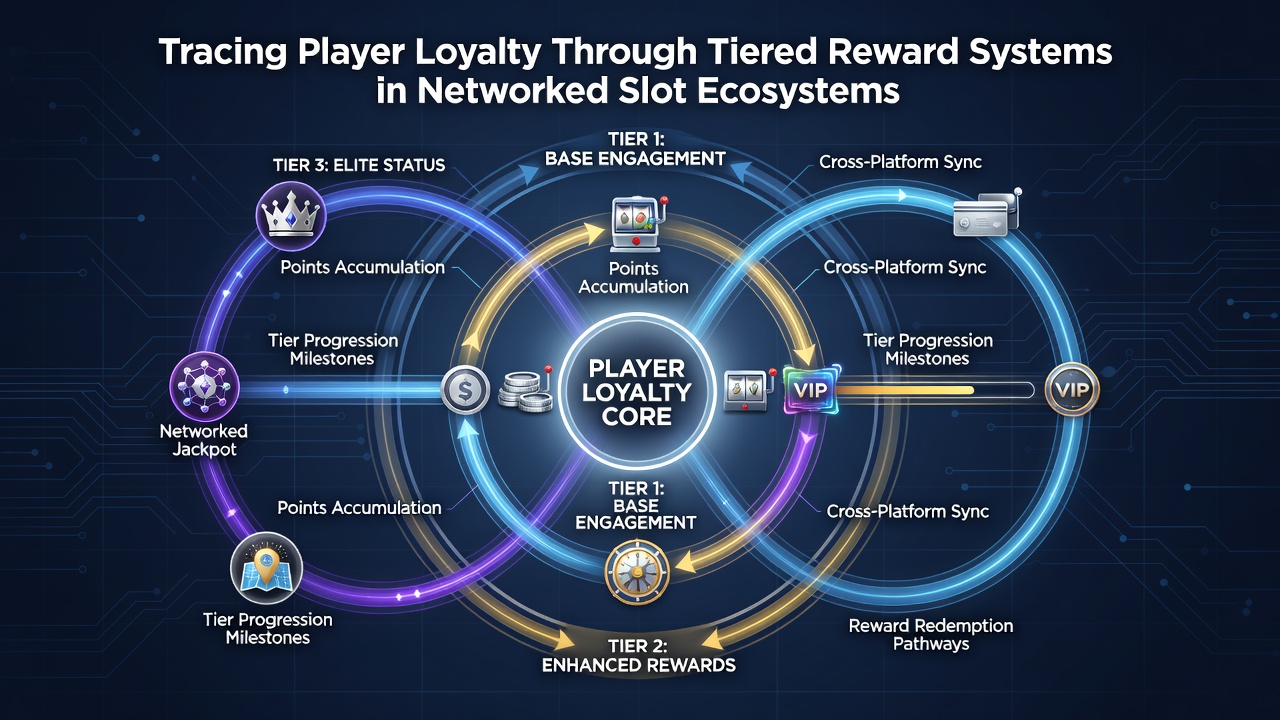
Redemption tracking forms another layer of oversight, and systems record when players convert points into free spins, merchandise, or travel vouchers. This creates closed-loop datasets that reveal correlations between reward types and continued play frequency, while operators refine future tier thresholds based on these observed behaviors. Researchers at the International Gaming Institute have examined similar datasets to map retention curves across different demographic cohorts without disclosing proprietary algorithms.
Behavioral Patterns and Retention Outcomes
Players in lower tiers often receive introductory bonuses designed to accelerate initial point accumulation, whereas those approaching tier thresholds encounter targeted incentives that nudge additional wagers. Longitudinal records show that once players achieve mid-tier status they maintain higher average daily activity compared with entry-level accounts, and the gap widens further at the uppermost levels. Networked ecosystems amplify these effects because shared leaderboards and collective events allow individual progress to contribute toward group milestones visible to all participants.
Seasonal adjustments appear in several platforms during peak periods, and August 2026 saw multiple operators introduce temporary tier accelerators tied to specific slot releases. These campaigns generate additional data points that feed back into the core loyalty models, enabling more precise forecasting of reward liability and player lifetime value.
Regulatory Considerations Across Jurisdictions
Regulatory bodies in various regions require operators to maintain transparent records of how tiered rewards influence game outcomes and player expenditures, and compliance audits examine whether promotional mechanics inadvertently favor certain player segments. Canadian provincial regulators, for instance, mandate periodic reporting on loyalty program fairness metrics, while Australian state authorities focus on responsible gaming disclosures linked to tier benefits. These oversight frameworks ensure that data used for loyalty tracing remains secure and that players receive clear information about point expiration policies and redemption values.
Conclusion
Tiered reward systems in networked slot ecosystems function as integrated tracking tools that convert raw gameplay data into structured loyalty profiles, and continued refinements in analytics continue to shape how operators manage player retention across platforms. Evidence from regulatory filings and industry research indicates that these frameworks produce measurable shifts in engagement patterns when implemented consistently. As networked environments expand, the precision of loyalty tracing will depend on further integration of cross-jurisdictional data standards and transparent reporting practices.