Loyalty Tier Influences on Session Behaviors Within Digital Reel Platforms
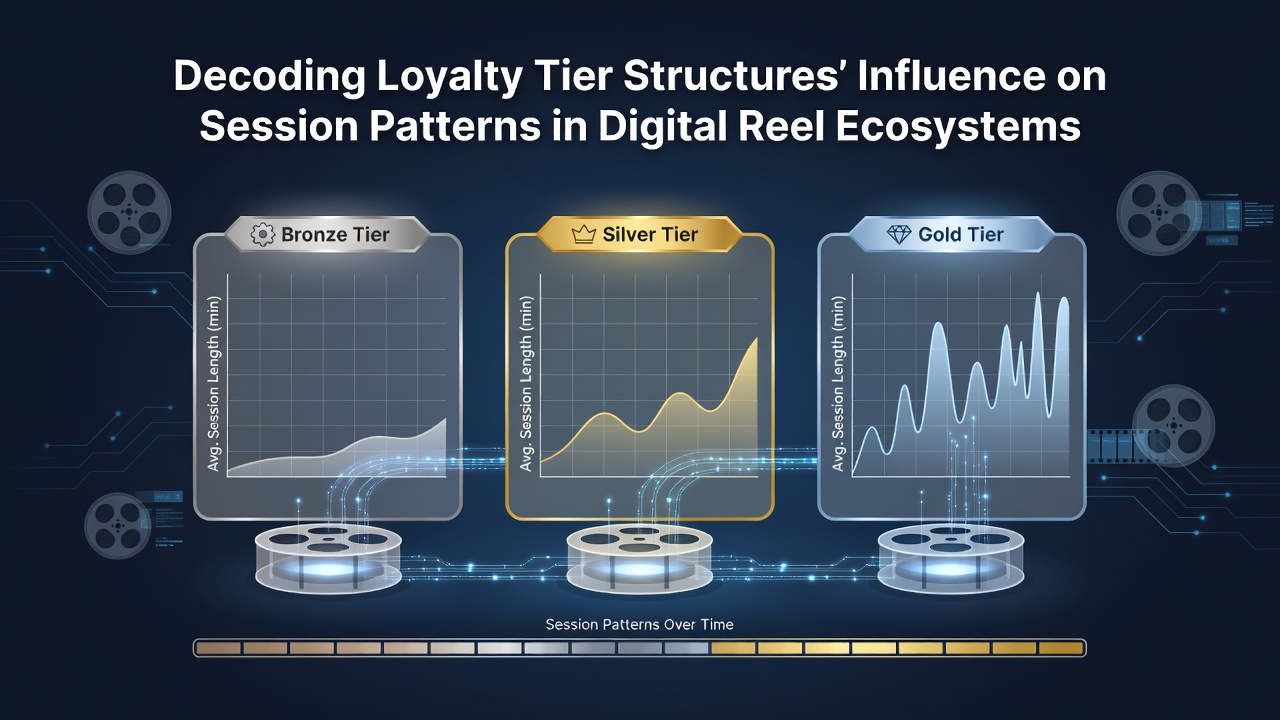
Digital reel ecosystems rely on structured loyalty programs that assign players to different tiers based on accumulated activity, and these tiers correlate with measurable shifts in how sessions unfold across mobile and desktop platforms, according to aggregated industry datasets from multiple operators.
Core Components of Tier Structures
Tier systems typically progress through entry-level, mid-range, and premium categories where each level unlocks incremental rewards such as enhanced free-spin allocations, cashback percentages, and personalized bonus triggers, while data from platform analytics reveal that players in higher tiers maintain longer average session durations because reward mechanics encourage continued engagement once thresholds are met.
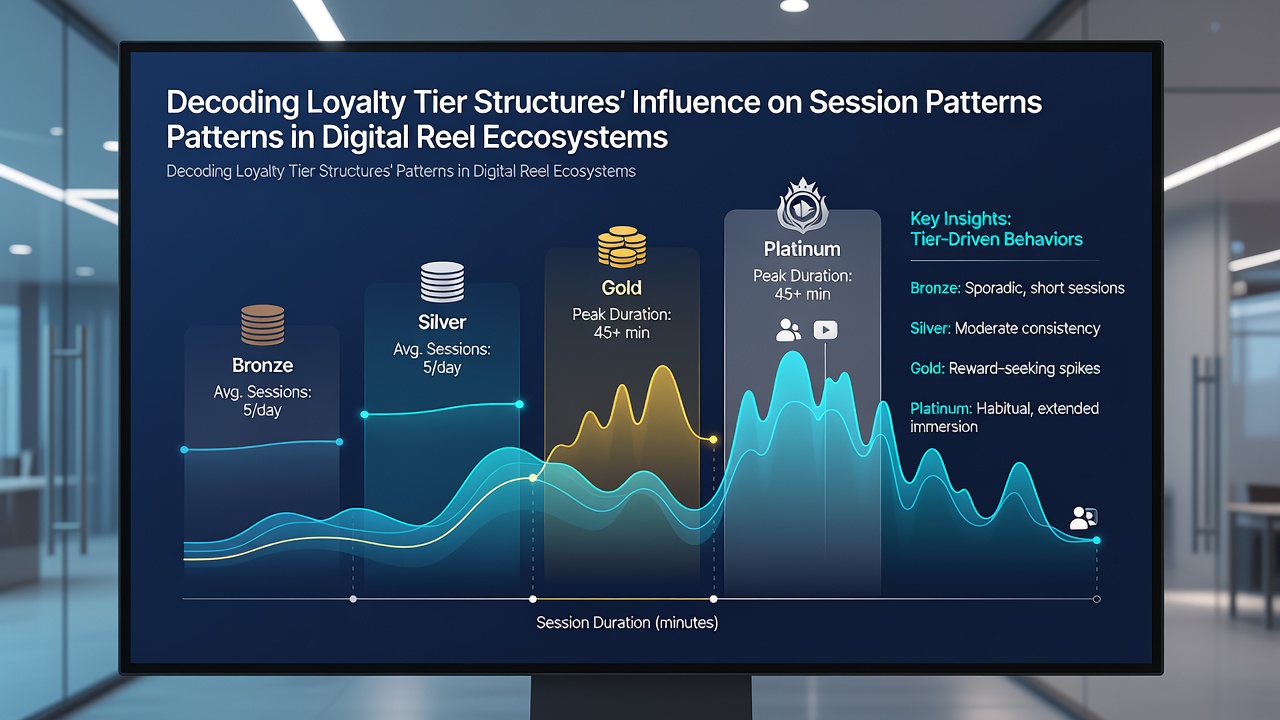
Entry-level participants often complete shorter sessions focused on basic spin volumes, whereas mid-tier users exhibit extended play intervals punctuated by strategic pauses that align with bonus recharge cycles, and premium members demonstrate the most consistent session lengths across weekdays and weekends because their access to accelerated point multipliers sustains momentum without frequent interruptions.
Observed Shifts in Session Duration and Frequency
Platform telemetry collected through 2025 and into mid-2026 shows that tier advancement frequently coincides with a 15 to 30 percent increase in total session time per visit, driven by the integration of tier-specific multipliers that reduce the perceived cost of continued play, yet frequency of logins tends to stabilize rather than accelerate once players reach upper tiers because reward cadence adjusts to retain rather than overwhelm established users.
Researchers tracking reel ecosystems note that lower-tier sessions cluster around high-volatility titles with quicker outcome resolution, while elevated tiers correlate with greater exploration of medium-volatility games that offer prolonged feature rounds, a pattern confirmed in cross-operator comparisons released during July 2026 industry briefings.
Behavioral Variations Across Device Types
Mobile sessions for tiered players display distinct fragmentation compared with desktop equivalents, as push notifications tied to loyalty milestones prompt brief return visits that accumulate into extended cumulative play, and operators report that premium-tier mobile users initiate 40 percent more micro-sessions per week than their desktop counterparts, according to aggregated metrics shared by the American Gaming Association.
Desktop environments, by contrast, host longer uninterrupted blocks among higher-tier accounts because larger screen interfaces support simultaneous monitoring of multiple reel titles and real-time tier progress trackers, reducing the need for device switching during active periods.
Regional Regulatory Context and Data Sharing
Regulatory frameworks in North America and parts of Europe require operators to log tier progression alongside session metrics for compliance auditing, which has enabled third-party researchers to identify consistent correlations between tier elevation and altered play pacing without disclosing individual identities, and the Nevada Gaming Control Board has published anonymized summaries that align with these broader findings.
Australian regulatory bodies similarly mandate transparent reporting of loyalty-driven engagement statistics, allowing comparisons that show Pacific-region players in top tiers extend sessions by similar margins to their North American counterparts despite differing reward structures.
Mechanisms Driving Pattern Changes
Reward delivery timing within each tier directly shapes session architecture, with points earned per spin accelerating near tier boundaries and prompting players to extend current sessions rather than return later, while the introduction of tier-locked progressive elements further anchors attention once a player crosses into a new category.
Algorithmic adjustments that scale free-spin frequency according to tier status produce measurable spikes in feature-trigger rates for premium accounts, and telemetry indicates these spikes sustain engagement loops that would otherwise terminate earlier in lower tiers.
Conclusion
Loyalty tier structures exert quantifiable effects on session length, frequency, and title selection within digital reel ecosystems, patterns substantiated by operator datasets and regulatory summaries through July 2026, and continued monitoring across jurisdictions will clarify how evolving reward mechanics continue to interact with player behavior over time.