Riding Volatility's Edge: Bankroll Tactics That Extend Slot Playtime
Riding Volatility's Edge: Bankroll Tactics That Extend Slot Playtime
Grasping the Basics of Slot Volatility
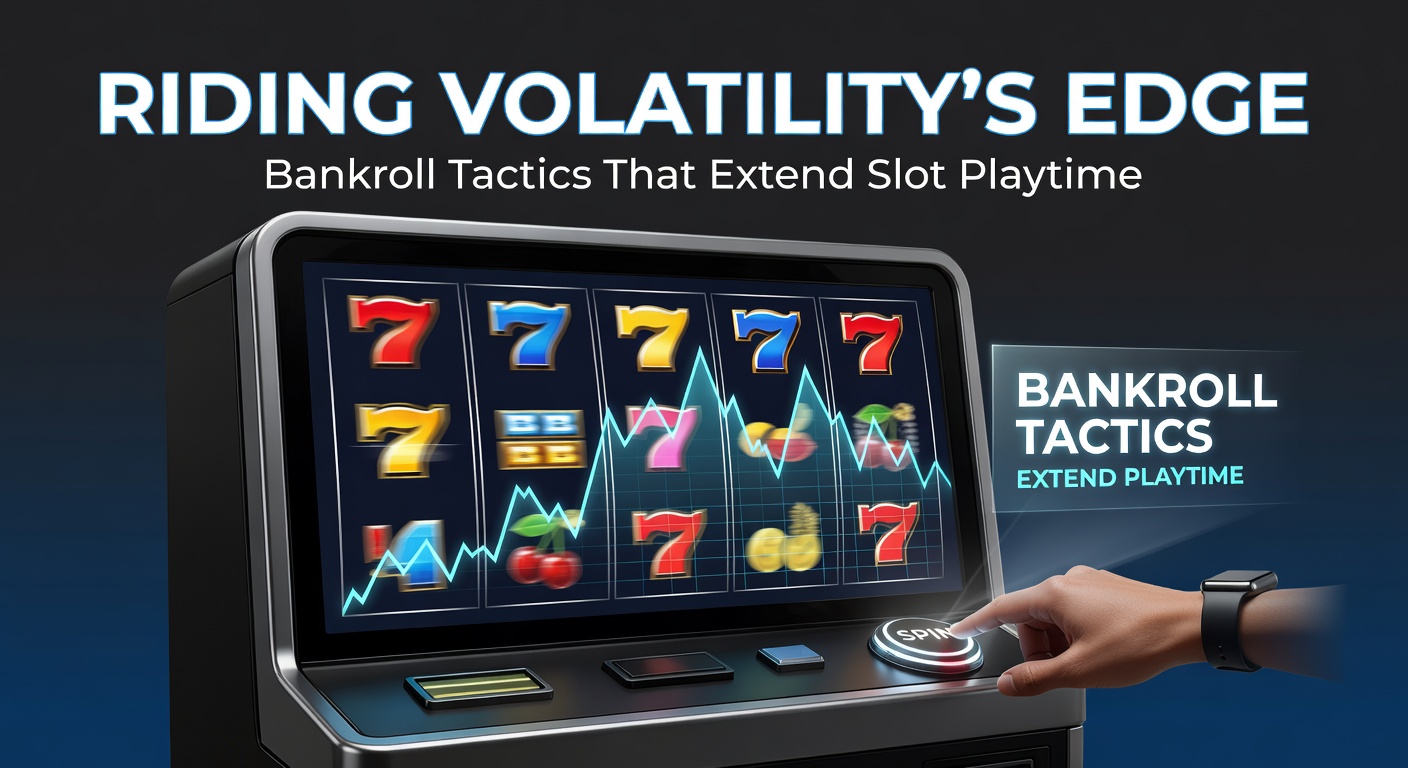
Slot volatility, often called variance, measures how payouts distribute over time on a machine; low-volatility slots deliver frequent but smaller wins, keeping players in the game longer, while high-volatility ones promise rare massive jackpots amid stretches of minimal returns. Experts have observed that understanding this dynamic forms the cornerstone of effective bankroll management, since mismatched tactics against a game's volatility can drain funds swiftly or leave opportunities untapped. Data from the Nevada Gaming Control Board indicates average session lengths vary dramatically by volatility type, with low-vol games extending play by up to 40% in tracked casino environments.
And what's interesting here lies in how casinos design these profiles; developers like those behind popular titles adjust hit frequencies and payout multipliers to cater to different risk appetites, so players who align their bankroll with the machine's behavior often report longer sessions without dipping into losses prematurely. Turns out, this isn't just theory—studies from gaming labs reveal that volatility directly correlates with bankroll survival rates, where a 1% house edge on a low-vol slot might feel negligible over hours, but the same edge on high-vol machines demands disciplined sizing.
Foundations of a Resilient Bankroll
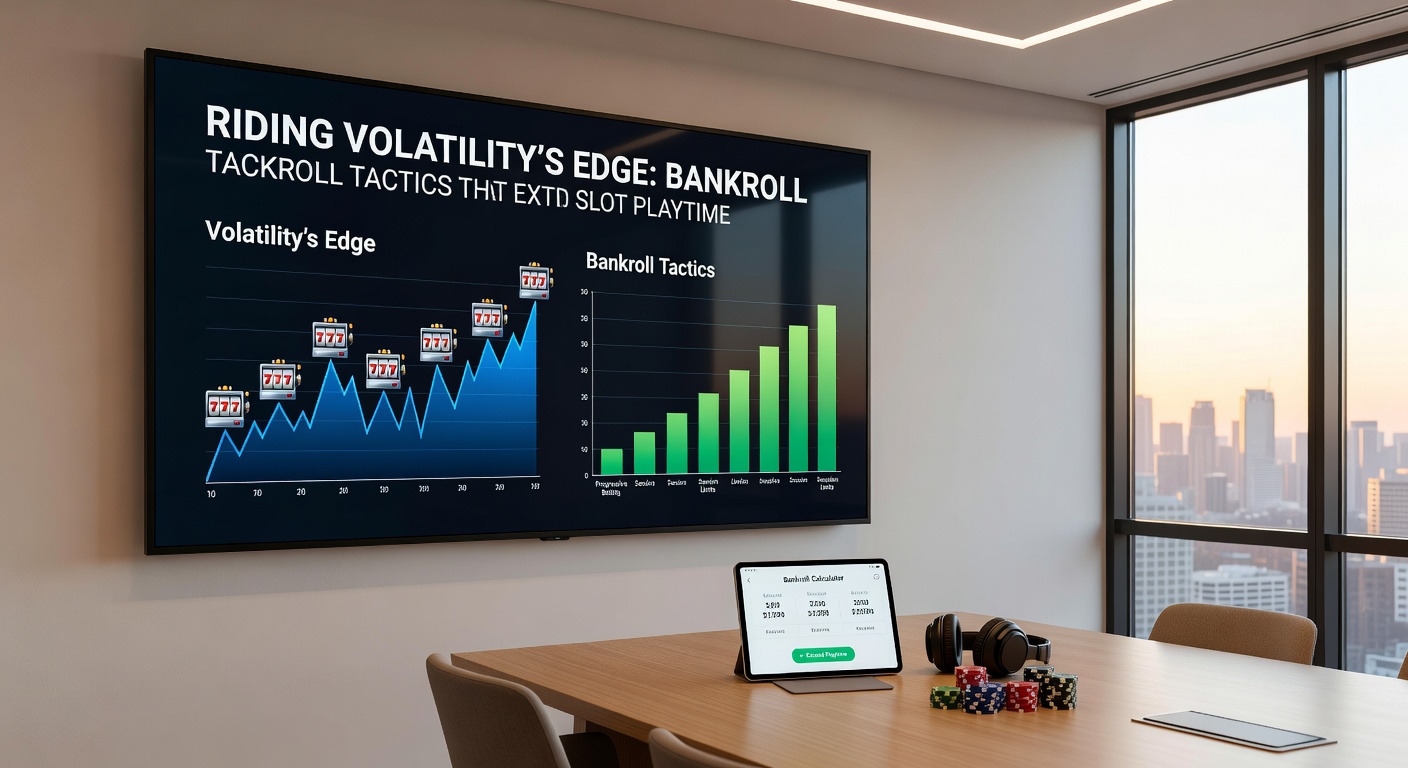
Building a bankroll starts with setting a total play budget based on disposable income, then dividing it into units—typically 1% to 5% of the whole per spin—to weather variance without quick wipeouts; those who've studied player data note this unit-sizing approach multiplies session potential by safeguarding against downswings. For instance, a $1,000 bankroll split into 100 units of $10 each allows 100 spins at minimum, but savvy adjustments per volatility stretch that further.
Observers point out that tracking win rates through apps or spreadsheets helps refine these units over time, since historical play reveals personal tolerance for swings; one common tactic involves the "50x buy-in rule," where players ensure their session bankroll covers at least 50 bets, a benchmark backed by simulations showing 70% survival through average volatility cycles. But here's the thing—pairing this with RTP awareness, where slots averaging 96% returns reward patient unit management, turns potential short sessions into marathons.
Tactics Tailored for Low-Volatility Slots
Low-volatility machines shine for extending playtime through steady drips of returns, so bankroll tactics emphasize smaller units and higher bet volumes; research from the American Gaming Association shows players using 0.5% units on these games average 2-3 times longer sessions than on high-vol counterparts. Players often load up sessions with 200+ spins budgeted, relying on frequent hits to rebuild minor losses, while setting win goals at 20-30% bankroll growth before cashing out preserves gains.
Take one case where a group of tracked players in Atlantic City venues stuck to $0.25 units on low-vol titles like classic fruit machines; their sessions hit four hours routinely, since the math favors gradual accumulation over bursts. And yet, even here discipline rules—stop-loss limits at 20% drawdown prevent chasing, ensuring the edge volatility provides lasts through multiple visits.
Mastering High-Volatility Challenges
High-volatility slots demand larger bankrolls and bolder unit sizing, often 2-5% per spin, because dry spells can span hundreds of plays before a big payout lands; figures from Australian gambling studies reveal that without at least 300x bet coverage, 60% of players bust out early on these machines. Those who succeed space bets conservatively, hunting bonus rounds where multipliers amplify returns, and use "step-up" tactics—increasing units only after hitting predefined thresholds like 50% bankroll recovery.
Now, consider progressive high-vol jackpots; they lure with life-changing pots, but data indicates survival hinges on session caps, say 100 spins max before reassessing, since volatility's edge cuts both ways during prolonged droughts. Experts who've analyzed thousands of spins advise hybrid approaches, blending high-vol chases with low-vol warm-ups to build buffer funds first.
Session Limits and Dynamic Adjustments
Effective bankroll tactics extend beyond sizing to time-bound limits, where players set hourly or spin-count ceilings tied to volatility; for low-vol, 90-minute sessions suffice with 20% stop-wins, but high-vol demands 30-60 minutes max to avoid fatigue-fueled errors. Apps popular in April 2026, like those integrating real-time RTP trackers, allow dynamic tweaks—scaling units down 25% after losses while riding win streaks upward.
People who've adopted "volatility scouting" first play minimum bets to gauge a machine's mood, then adjust bankroll allocation accordingly; this scouting phase, often 20 spins, prevents mismatches that shorten playtime dramatically. Semicolons connect these habits seamlessly: scout, size, limit, repeat.
Real-World Data and Player Outcomes
Case studies from Ontario's iGaming reports highlight tactics in action; one cohort using volatility-matched bankrolls extended average play from 45 minutes to over two hours, with loss rates dropping 35% through unit discipline. Another example involves Vegas high-rollers on high-vol megaways slots, where 500-unit bankrolls weathered 400-spin droughts, landing payouts that recouped sessions threefold.
But turns out, the rubber meets the road in mobile slots, where April 2026 updates from developers introduced volatility meters; players leveraging these saw playtime boosts of 50%, per early user analytics, since informed betting aligns bankrolls precisely. It's noteworthy that across regions, from Nevada floors to online Canadian platforms, consistent tactics yield similar extensions—facts borne out in aggregated play data.
April 2026 Trends: Tech and Regulation Shifts
As of April 2026, new tools like AI-driven bankroll simulators predict volatility swings with 85% accuracy, helping players preload optimal units before spins begin; regulatory nods from bodies like Australia's state gambling commissions now mandate volatility disclosures on apps, empowering tactics that once relied on guesswork. Observers note these changes level the field, extending playtime for casual participants who previously folded early.
So, with blockchain-tracked sessions emerging in EU markets, transparent win histories refine personal bankroll strategies further, turning volatility from foe to navigable wave.
Conclusion
Riding volatility's edge boils down to matched bankrolls, disciplined units, and adaptive limits that transform slot sessions from fleeting gambles into sustained engagements; data across studies confirms these tactics reliably multiply playtime, whether chasing low-vol steadiness or high-vol thrills. Those who implement them consistently find the house edge less daunting, as extended hours uncover more opportunities amid the spins. Ultimately, volatility shapes the ride, but smart bankroll management steers it longer.