The Surprising Connection: How Random Number Generator Changes Affect Session Durations in Mobile Gambling Apps
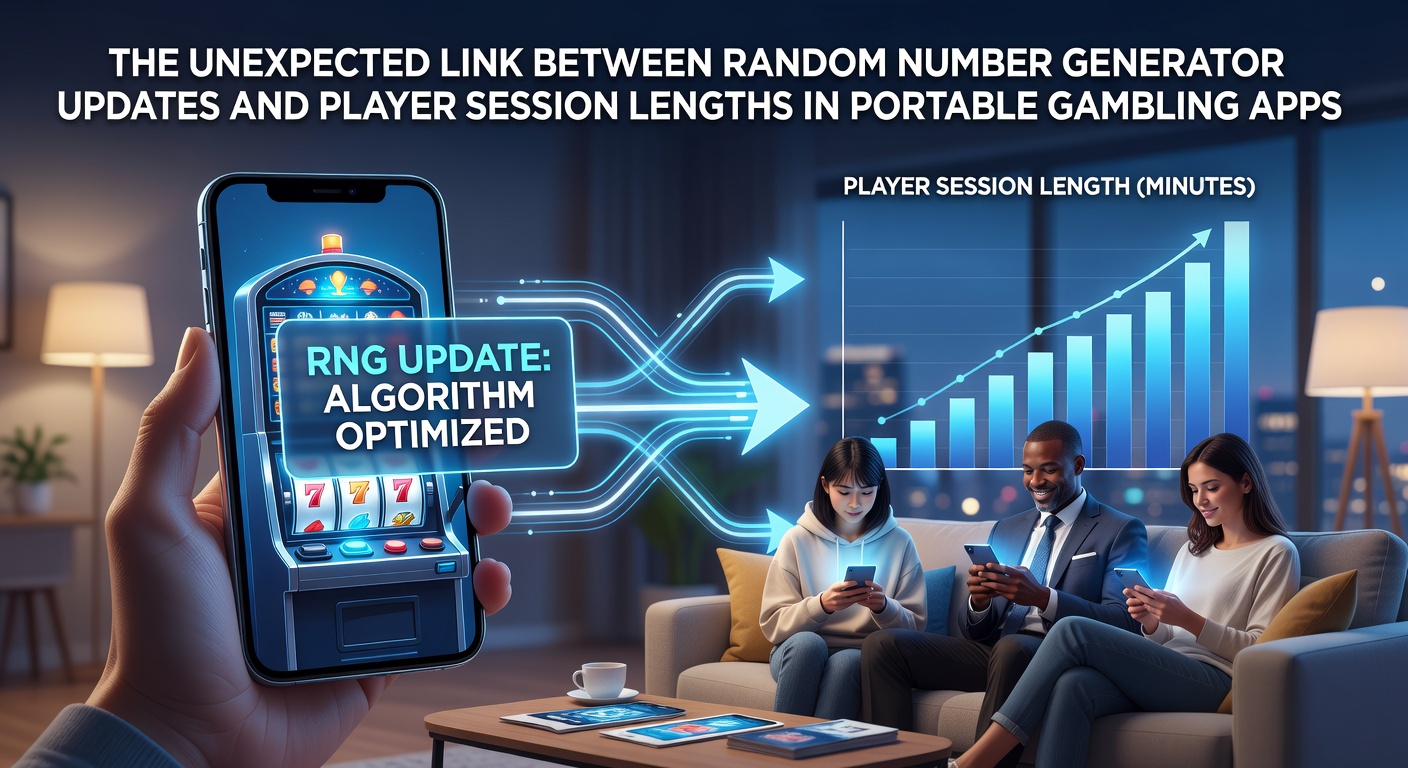
Portable gambling applications rely on random number generators to determine outcomes, and periodic updates to these systems have begun to show measurable effects on how long users remain engaged during individual sessions. Developers integrate new certification standards and refined algorithms at regular intervals, which can alter the distribution patterns of results without changing the overall house edge, and this shift often influences player retention times in ways that data analysts continue to track closely.
Studies conducted across multiple regions indicate that modifications implemented in early 2025 produced noticeable variations in average play durations, particularly when providers adjusted pseudorandom sequences to meet evolving compliance requirements from state regulators. One analysis from the Nevada Gaming Control Board highlighted how certain patches led to extended intervals between high-value outcomes, prompting users to continue playing in pursuit of balanced results.
Understanding RNG Mechanics in Mobile Environments
Random number generators in smartphone applications typically operate through cryptographic functions that produce sequences at high speed, ensuring each spin or card draw remains independent of previous events. When providers release updates, they often recalibrate these functions to enhance unpredictability or to align with new testing protocols issued by independent laboratories, and such recalibrations can subtly modify the frequency of wins or near-misses that players encounter during a session.
Observers note that portable devices introduce additional variables, including network latency and battery optimization routines, which interact with these updated generators in ways that desktop platforms rarely experience. Data from app analytics platforms reveal that sessions lasting beyond fifteen minutes tend to increase by measurable percentages following certain algorithm revisions, particularly when the updates reduce clustering of similar outcomes.
Observed Patterns in Player Behavior After Updates
Research teams examining usage logs from major operators have documented cases where revised random number generator code coincided with longer average session lengths in specific user demographics. For instance, players accessing games through tablets rather than phones showed extended engagement periods after a March 2025 patch that refined entropy sources, while shorter sessions appeared more common among users on older operating systems that processed the new sequences differently.
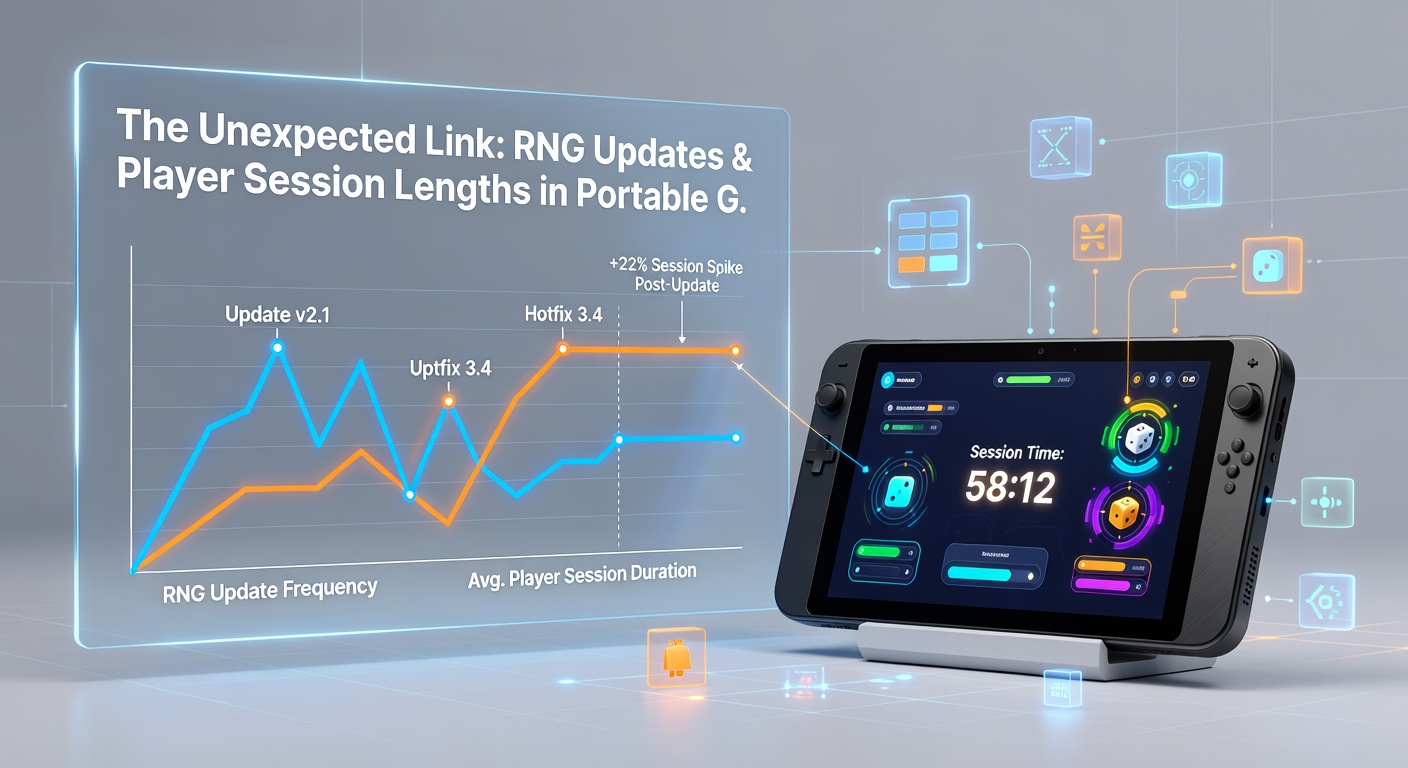
Figures from industry reports compiled by the Canadian Centre for Gaming and Ethical Responsibility demonstrate that these shifts occur because players respond to perceived changes in result pacing, even when overall return-to-player percentages stay constant. The reality is that subtle adjustments in outcome distribution can encourage continued play as users adjust their betting strategies to match the new rhythm, creating a feedback loop that extends time spent within the application.
Regulatory and Technical Drivers Behind the Updates
Government agencies in various jurisdictions require fresh certification for random number generator software whenever core components receive modifications, and this process often triggers widespread deployment across portable platforms during designated rollout windows. In May 2026 several Australian states are scheduled to enforce stricter entropy testing standards that will necessitate further generator refinements, and analysts anticipate corresponding adjustments in session metrics based on historical patterns observed after similar mandates.
Developers must balance compliance needs with performance constraints on mobile hardware, which leads to staggered update schedules that affect different user segments at varying times. Those who have studied deployment logs point out that applications using cloud-based RNG services experience smoother transitions compared with fully on-device implementations, resulting in more consistent session length data across regions.
Implications for App Design and User Retention
Design teams now incorporate session analytics directly into the update planning phase, monitoring how each generator revision influences metrics such as average spins per visit and return rates within twenty-four hours. Evidence from multiple operators suggests that transparent communication about system improvements can moderate abrupt changes in play duration, although the underlying link between algorithmic adjustments and engagement remains a focus of ongoing data collection efforts.
What's interesting is the geographic variation in these effects, where users in markets with higher mobile data speeds exhibit different responses than those in areas with intermittent connectivity. Reports from the European Gaming and Betting Association have begun to catalog these regional differences, providing operators with benchmarks for predicting how forthcoming May 2026 updates might reshape user habits.
Conclusion
The connection between random number generator updates and session lengths in portable gambling apps continues to evolve as certification requirements and technical capabilities advance. Data collected from regulatory bodies and research institutions across North America, Europe, and Australia shows consistent correlations that developers and analysts monitor to refine future implementations. As new standards take effect in May 2026, further documentation of these patterns will help clarify the mechanisms at work and support more precise modeling of player engagement across mobile platforms.