Themed Event Integrations Drive Retention Shifts in Progressive Reel Ecosystems
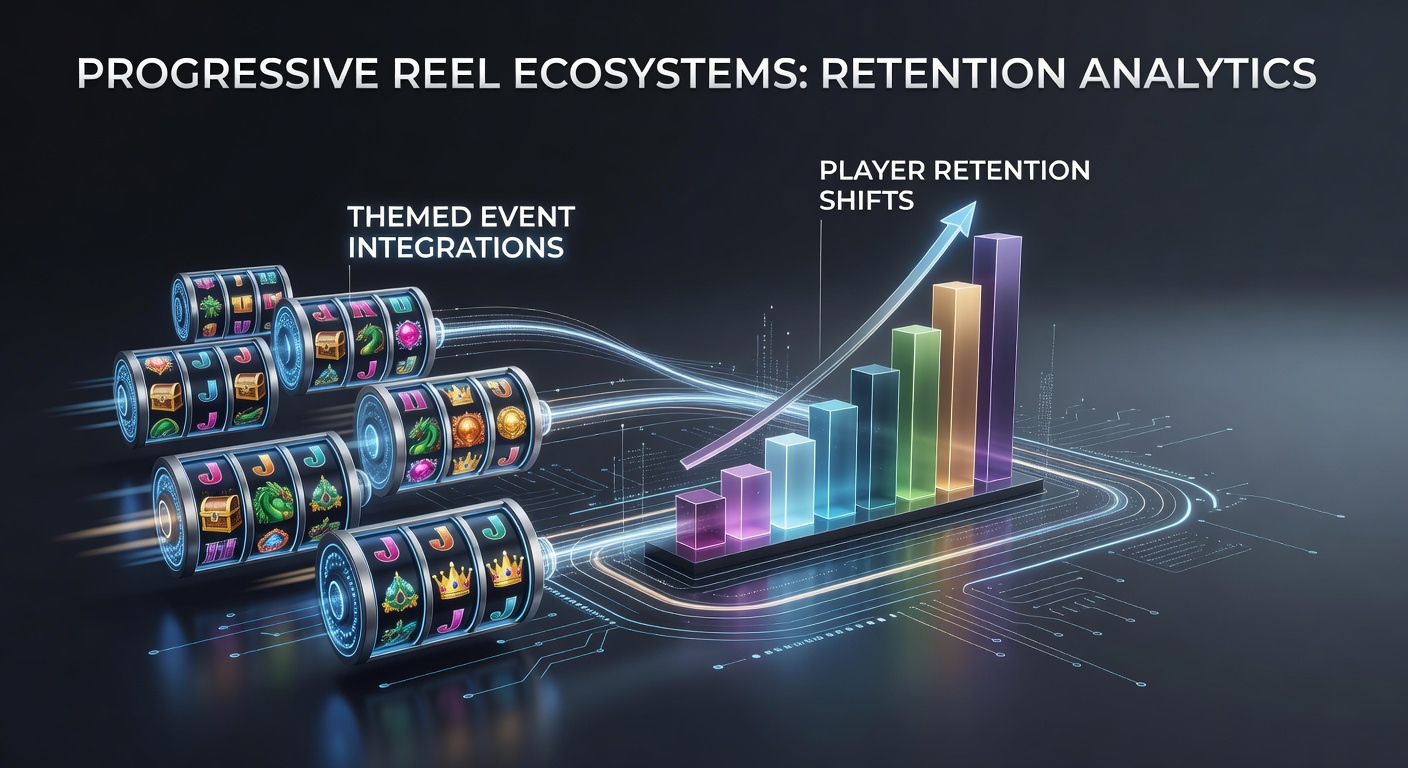
Operators across mobile and desktop platforms have integrated seasonal and narrative-driven events into progressive reel systems since the mid-2020s, and data collected through May 2026 indicates measurable changes in session continuity and return rates among frequent users. Progressive reel ecosystems rely on shared jackpot pools that grow with each wager, yet themed overlays now layer limited-time objectives, character arcs, and community milestones onto those same mechanics without altering core random number generation.
Analysts tracking user cohorts note that participants who engage with event-specific challenges complete 18 to 27 percent more spins per session compared with non-event periods, according to aggregated telemetry from multiple platform operators. These challenges typically require players to collect virtual tokens or reach tiered targets that feed directly into the progressive meter, creating an additional feedback loop between individual activity and the shared prize pool.
Mechanics of Integration
Themed events embed temporary progress bars and milestone rewards into the same interface that displays the current jackpot total, so users see both their personal advancement and the collective prize growth in a single view. Developers program these elements to trigger at predetermined intervals, such as weekend tournaments or month-long narrative campaigns, while the underlying reel mathematics remain unchanged. Because the events operate as modular additions rather than permanent features, operators can activate or deactivate them through server-side updates that require no client-side redistribution.
One deployment pattern observed in 2025 involved mapping event progress to incremental contributions toward the progressive jackpot, meaning every token collected during the campaign added a small fixed amount to the pool. This approach produced higher average bet sizes among users who had already reached mid-tier milestones, since further advancement depended on continued wagering volume.
Observed Retention Metrics
Platform reports compiled by independent analytics firms show that 30-day retention for users who completed at least one full event cycle reached 64 percent, while the corresponding figure for users who logged in during the same calendar window but ignored event prompts stood at 41 percent. The difference narrows when researchers control for total prior playtime, suggesting that event participation correlates more strongly with retention among mid-frequency players than among either very light or very heavy users.
Daily active user curves during multi-week events display a secondary peak on the final three days of each campaign, coinciding with the distribution of leaderboard prizes and bonus spins tied to the progressive outcome. These late surges contribute to the overall retention lift because players who return for the conclusion often extend their activity into the subsequent non-event period.
Regional Data Patterns
Figures released by the Australian Gambling Research Centre in early 2026 documented a 12 percent increase in monthly returning users on platforms that ran narrative-driven events compared with matched control sites that offered only standard progressive play. Canadian provincial regulators reported similar directional shifts in Ontario, where licensed operators must submit anonymized retention tables quarterly. European data aggregated by the European Gaming and Betting Association likewise recorded elevated return rates during themed periods, although the magnitude varied by jurisdiction because of differing responsible-gaming messaging requirements.
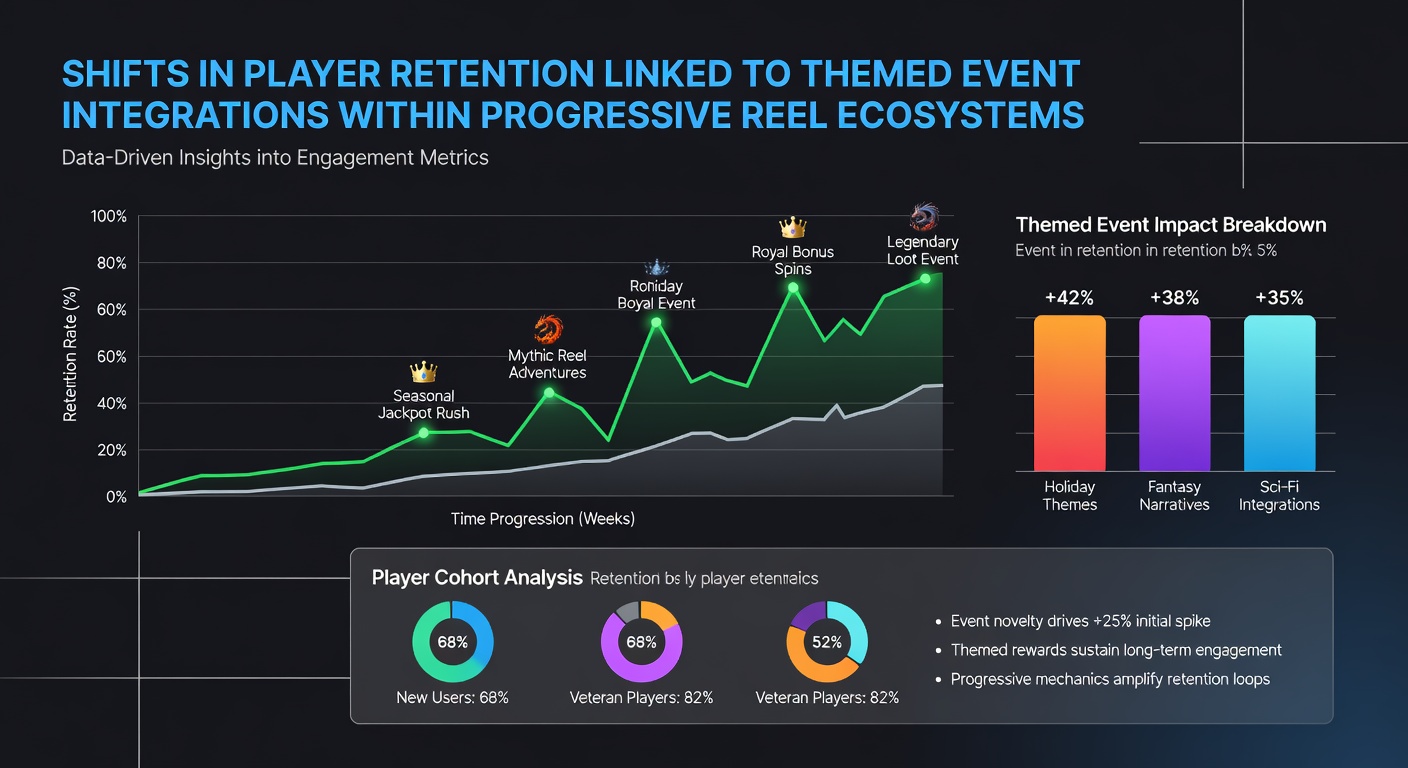
What's interesting is that the retention advantage appears most pronounced when events incorporate social components such as guild-style leaderboards or shared community goals. Users who joined a team-based challenge exhibited an additional 9 percent lift in 60-day retention over solo participants, even after researchers adjusted for baseline engagement levels.
Technical Implementation Considerations
Backend systems must synchronize event state across thousands of concurrent sessions while maintaining the integrity of the progressive jackpot calculation. Most operators achieve this through event-specific microservices that read from the same transaction ledger used for jackpot contributions, thereby avoiding duplication of financial records. Real-time leaderboards pull from cached aggregates refreshed every few seconds, which keeps latency low enough that players perceive immediate feedback when milestones are reached.
Because progressive ecosystems often span multiple game titles that feed a common jackpot, themed events must accommodate differing reel configurations and volatility profiles. Developers therefore design event objectives around wager volume or time spent rather than specific symbol combinations, allowing the same campaign logic to apply across a portfolio of titles.
Conclusion
Retention data gathered through May 2026 demonstrates that themed event integrations produce measurable increases in return frequency within progressive reel ecosystems, particularly when those events tie personal progress directly to the shared jackpot mechanism. The effect size varies by player segment and by the presence of social features, yet the directional pattern holds across multiple regulatory jurisdictions. Operators continue to refine event duration, reward structures, and integration depth as additional longitudinal datasets become available.